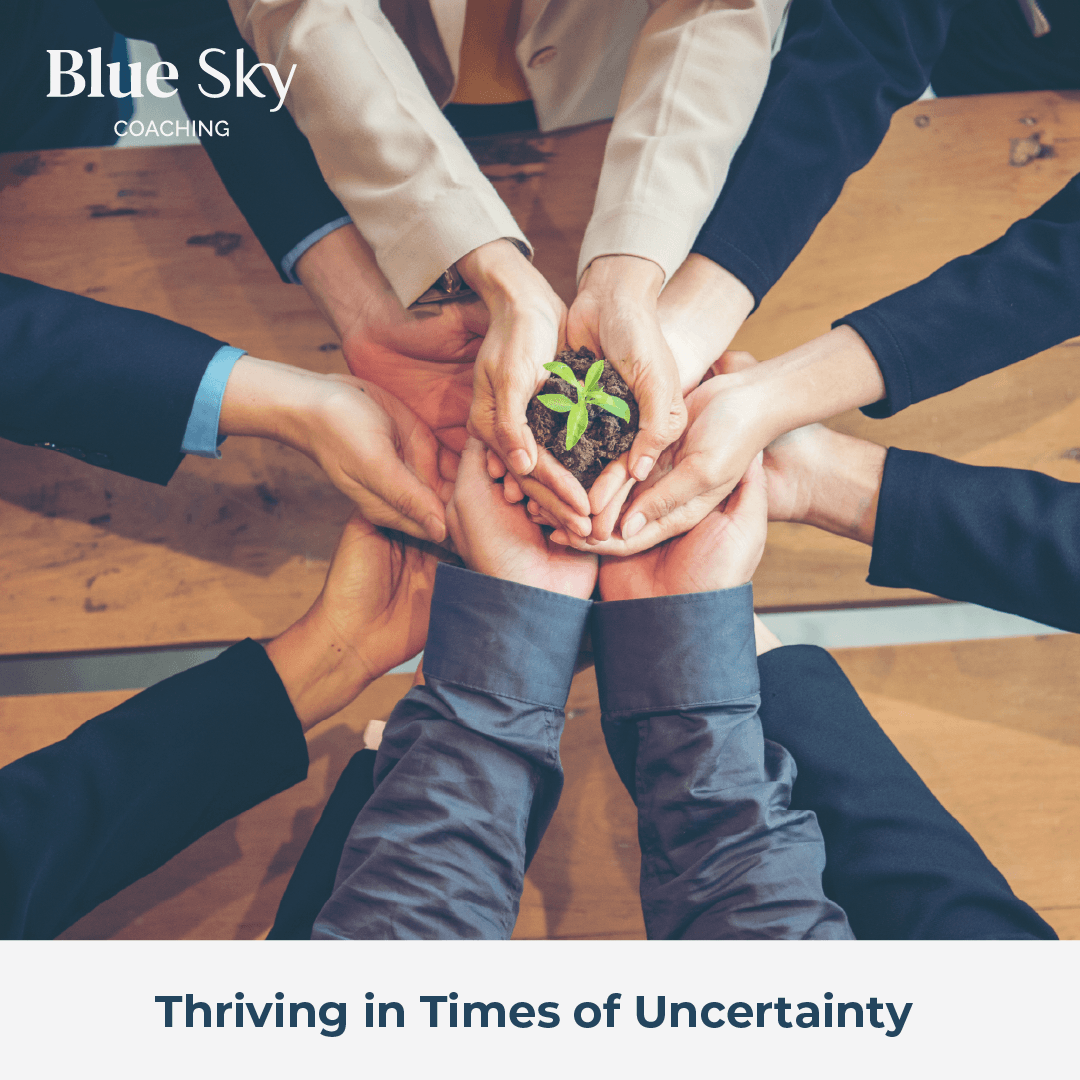
Prosperity in leadership and business goes beyond financial gain. It encompasses well-being, purpose, and the ability to create sustainable productivity grounded in strong principles. Leaders who balance drive with integrity and ambition with character create workplaces that not only achieve results but also endure over time. Coaching plays a key role in guiding leaders to integrate prosperity, productivity, and principles into daily practice so that success is meaningful and sustainable.
Defining Prosperity Beyond Profit
For many leaders, prosperity is often equated with revenue or growth. While these are important, true prosperity is broader. It is about creating value in ways that nurture people, relationships, and the organisation’s purpose. Coaching supports leaders in defining what prosperity means for them personally and professionally. This reflection allows them to align goals with values and lead in a way that inspires both performance and fulfilment.
Principles serve as a compass in this process. When decisions are guided by integrity and clarity of values, leaders can act with confidence even in moments of uncertainty or pressure. Coaching provides the space to test decisions against these principles, helping leaders make choices that build trust and credibility. This alignment between action and values forms the foundation for sustainable leadership.
Productivity with Purpose
High productivity is often celebrated as the hallmark of success, yet productivity without purpose can lead to exhaustion and disengagement. Coaching helps leaders and teams build habits that sustain energy and focus while ensuring that meaning and relationships are not sacrificed. By linking daily actions to broader goals, individuals find motivation in knowing that their work matters.
For example, leaders may learn to prioritise quality conversations over hurried tasks, or to focus on long-term progress rather than constant urgency. These shifts not only improve output but also strengthen the human connections that make productivity sustainable. Teams that experience both efficiency and care are more resilient, creative, and committed to shared goals.
Organisations That Balance Output and Well-Being
A culture that values both productivity and well-being does not happen by chance. It requires intentional structures and practices that reinforce balance. Coaching helps organisations design systems where success is measured by more than metrics. Outcomes aligned with values, such as collaboration, fairness, and inclusion, become part of how progress is assessed.
Preventing burnout is central to this balance. When individuals are overextended, productivity suffers, and innovation declines. Coaching interventions help teams identify signs of burnout early and develop strategies to sustain energy. Practices such as recognising contributions, encouraging rest, and promoting open dialogue about workload foster environments where people feel supported. In these environments, productivity is not extracted but cultivated, leading to stronger performance over the long term.
The Enneagram and the Search for Balance
The Enneagram provides valuable insights into how different personality types approach prosperity and productivity. Some types may over-focus on results and efficiency, sometimes at the expense of relationships. Others may prioritise harmony and connection, occasionally losing sight of measurable progress. Both tendencies bring strengths, but imbalance can limit overall effectiveness.
Coaching helps each type lean into strengths while addressing blind spots. A results-driven type can learn to slow down and recognise the importance of collaboration. A relationship-focused type can develop the discipline to set boundaries and maintain accountability. By working with the Enneagram, leaders and teams learn to balance these tendencies, creating climates where performance is both principled and sustainable.
The Enneagram also encourages teams to value diversity in how people approach work. When differences are seen as assets rather than obstacles, teams can achieve synergy. This appreciation of varied strengths allows for outcomes that are both efficient and ethical, with decisions reflecting both heart and head.
Prosperity That Lasts
Prosperity, productivity, and principles are deeply interconnected. Prosperity that ignores values is fragile. Productivity that disregards well-being is unsustainable. Principles that remain abstract fail to influence daily action. Coaching helps leaders and teams bring these three elements together, shaping organisations that achieve results with integrity and resilience.
Blue Sky Coaching partners with leaders to pursue prosperity that lasts. By integrating productivity with purpose and grounding ambition in principles, Carly Kay helps leaders and teams build environments where people thrive, results are meaningful, and success is sustainable. Prosperity becomes more than a financial outcome. It becomes a way of leading and working that is rich in purpose, rich in results, and grounded in values that stand the test of time.
At Blue Sky Coaching, Carly Kay works with leaders and teams to unlock the science of motivation and build high-performance cultures rooted in purpose, resilience, and engagement. Carly’s coaching programs explore intrinsic motivators, team dynamics, and sustainable strategies for maintaining energy and focus. Using the Enneagram as a powerful tool for self-awareness, Carly helps individuals and organisations identify what drives them and how to harness that motivation for lasting results. Whether addressing burnout, disengagement, or the pursuit of excellence, Blue Sky Coaching offers a personalised path to meaningful and measurable performance.