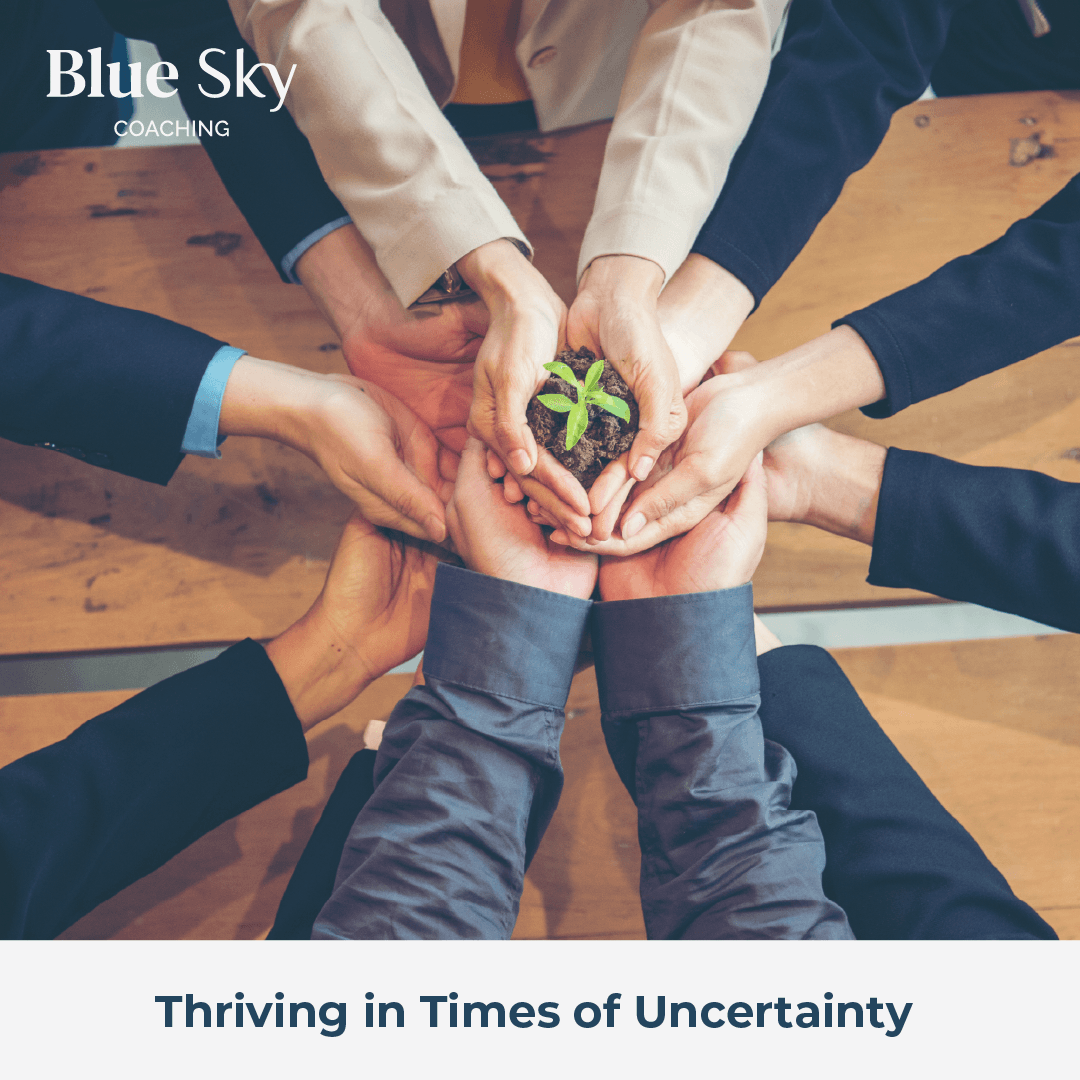
Strong, confident decision-making is one of the most critical skills for any leader. Yet even the most experienced professionals can find themselves stuck, paralysed by uncertainty, overwhelmed by data, or unsure how to weigh intuition against logic. In a global business environment, decision-making has never been more complex or more important.
That’s where coaching comes in. With the right support, leaders can refine their decision-making capabilities, strengthen their confidence, and build cultures where others are empowered to make smart, strategic choices too.
Leadership Development: The Common Challenges Leaders Face in Decision-Making
Many leaders grapple with decision fatigue, fear of failure, and the pressure to make the “perfect” choice. These challenges are intensified in volatile business climates, where ambiguity is the norm. Some avoid decisions altogether, while others over-rely on consensus or become bogged down in over-analysis.
Coaching Strategies to Develop Clarity, Confidence, and Decisiveness
Leadership coaching helps individuals build greater clarity by identifying their core values, priorities, and long-term vision. With a coach, leaders learn how to filter noise, weigh competing options, and make values-aligned decisions with greater confidence. Coaching also introduces techniques like scenario planning and decision trees, which help leaders assess risks and outcomes with objectivity.
The Role of Intuition vs. Data-Driven Decision-Making
Today’s leaders often face a dilemma: should they trust their gut or follow the numbers? The reality is that both play an important role. Coaching supports leaders in recognising when intuition is an asset and when it might be clouded by bias. It also helps build confidence in using data critically rather than being overwhelmed by it. The goal isn’t to favour one over the other but to strike a balance that leads to better, more integrated decisions.
Corporate Coaching: Helping Teams Improve Collective Decision-Making Through Coaching
In modern organisations, many decisions are made collaboratively. But teams can suffer from groupthink, lack of direction, or decision paralysis when consensus can’t be reached. Corporate coaching helps teams develop frameworks for effective group decision-making. This includes clarifying roles, setting decision-making criteria, and ensuring diverse perspectives are heard and valued.
Creating a Culture Where Employees Feel Empowered to Make Decisions
A decision-making bottleneck at the top of an organisation slows progress and stifles innovation. Coaching can help leaders decentralise decision-making by fostering a culture of trust and autonomy. When employees feel safe and supported, they’re more likely to take initiative and own outcomes, effectively displaying the hallmarks of high-performing teams.
Using Coaching to Navigate High-Stakes Business Decisions
When the stakes are high, for example: mergers, restructures, new market entry, coaching provides a confidential, non-judgmental space for reflection and perspective. Leaders can work through options, challenge their assumptions, and move forward with decisions that align with both strategy and values. Coaches also act as sounding boards, helping clients navigate internal politics and external pressure with clarity.
The Enneagram: How Enneagram Types Approach Decision-Making Differently
Each Enneagram type has a unique relationship with decision-making. Type Ones may strive for the “right” decision and fear making mistakes. Type Nines might defer decisions to avoid conflict. Type Sevens tend to make quick decisions to avoid discomfort or limitation. Understanding these patterns helps leaders identify their default tendencies and how they serve or hinder their effectiveness.
Strengths and Blind Spots in Decision-Making Based on Personality Type
Where one type might bring thoughtful analysis, another brings bold action. Every type has both strengths and potential blind spots. A Type Three, for example, may move quickly toward what appears successful but overlook deeper values alignment. A Type Six may plan carefully but struggle with indecision due to fear of getting it wrong. Coaching with the Enneagram helps leaders become aware of these dynamics and motivations within their teams, and consciously adjust their approach.
How Self-Awareness Can Help Leaders and Teams Make Better Choices
With greater self-awareness, leaders are better equipped to make grounded, intentional decisions. Teams that understand their collective Enneagram profiles can also make more balanced decisions by drawing on the strengths of each type while navigating blind spots together. The result? Smarter decisions and more cohesive action.
In a world full of uncertainty and complexity, decision-making remains one of the most valuable leadership skills. Through personalised coaching, leaders can gain clarity, build confidence, and lead with intention. By incorporating tools like the Enneagram, they deepen their self-awareness and improve both individual and collective decision-making. Blue Sky Coaching supports leaders and organisations in making better choices, not just for today, but for the long term.
Blue Sky Coaching, founded by executive coach Carly Kay, specialises in leadership and corporate coaching that cultivates clarity, confidence, and strategic decision-making. By combining proven coaching frameworks with the insight of the Enneagram, Carly helps leaders better understand their unique decision-making styles and strengthen their ability to lead with intention. Whether navigating high-stakes business choices or fostering a more empowered team culture, Blue Sky Coaching provides the tools leaders need to make smart, values-aligned decisions that drive long-term success.